- Is Dewmina Udayashan available for remote roles in the US or Australia?
- Yes. He is based in Sri Lanka (GMT+5:30) and is open to senior, lead and mobile-architect roles on a full-time, remote basis with teams in the United States, Australia, the United Kingdom, Europe and Canada. He worked remotely with a Melbourne-based company for nearly two years, so async collaboration across a large time difference is established practice rather than an experiment.
- What is Dewmina Udayashan's core technical stack?
- Flutter and Dart for mobile, at architecture depth: Riverpod and BLoC state management, Clean Architecture module boundaries, offline-first SQLite persistence and go_router navigation. Behind it: NestJS, Node.js and TypeScript services over PostgreSQL with Prisma, plus Supabase where row-level security fits better than a service layer. Infrastructure on AWS, Google Cloud, Hetzner and Firebase, containerised with Docker behind NGINX. Release engineering on Codemagic, Fastlane, GitHub Actions and Shorebird. Every product carries analytics, crash reporting and remote config.
- How many years of experience does Dewmina Udayashan have?
- Over six years of professional software engineering experience, starting in 2020. He has spent the last three of those leading mobile delivery (architecture, code review, CI/CD and store release ownership) for teams of three to four engineers in Sri Lanka and Australia.
- Has Dewmina Udayashan led a team?
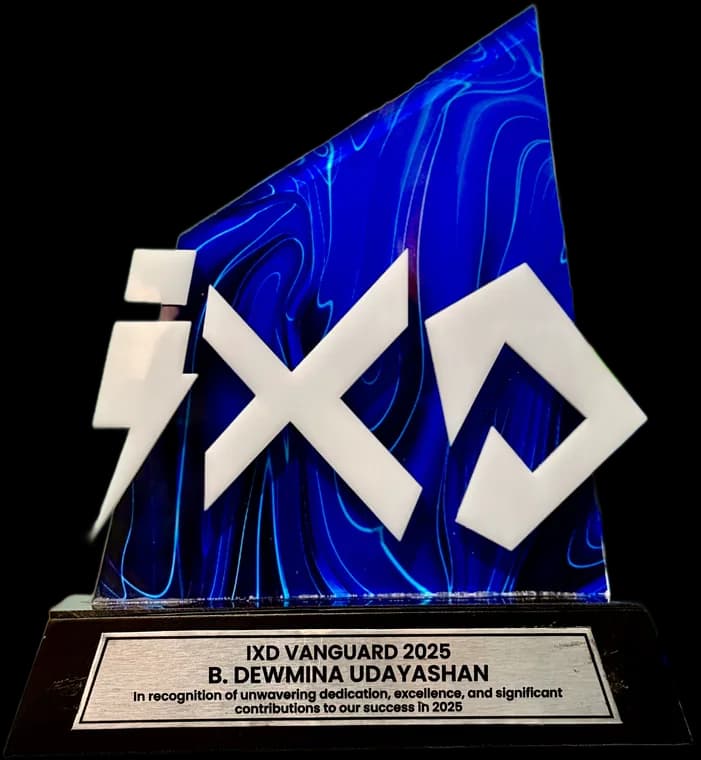
- Yes. At IXD Labs he leads a mobile team of four engineers: setting architecture, running code review, writing the engineering standards the team ships against, and owning final production submission to the App Store and Google Play. At NinjaPipe he coordinated technical milestones and mentored a cross-functional team of three.
- What has Dewmina Udayashan actually shipped?
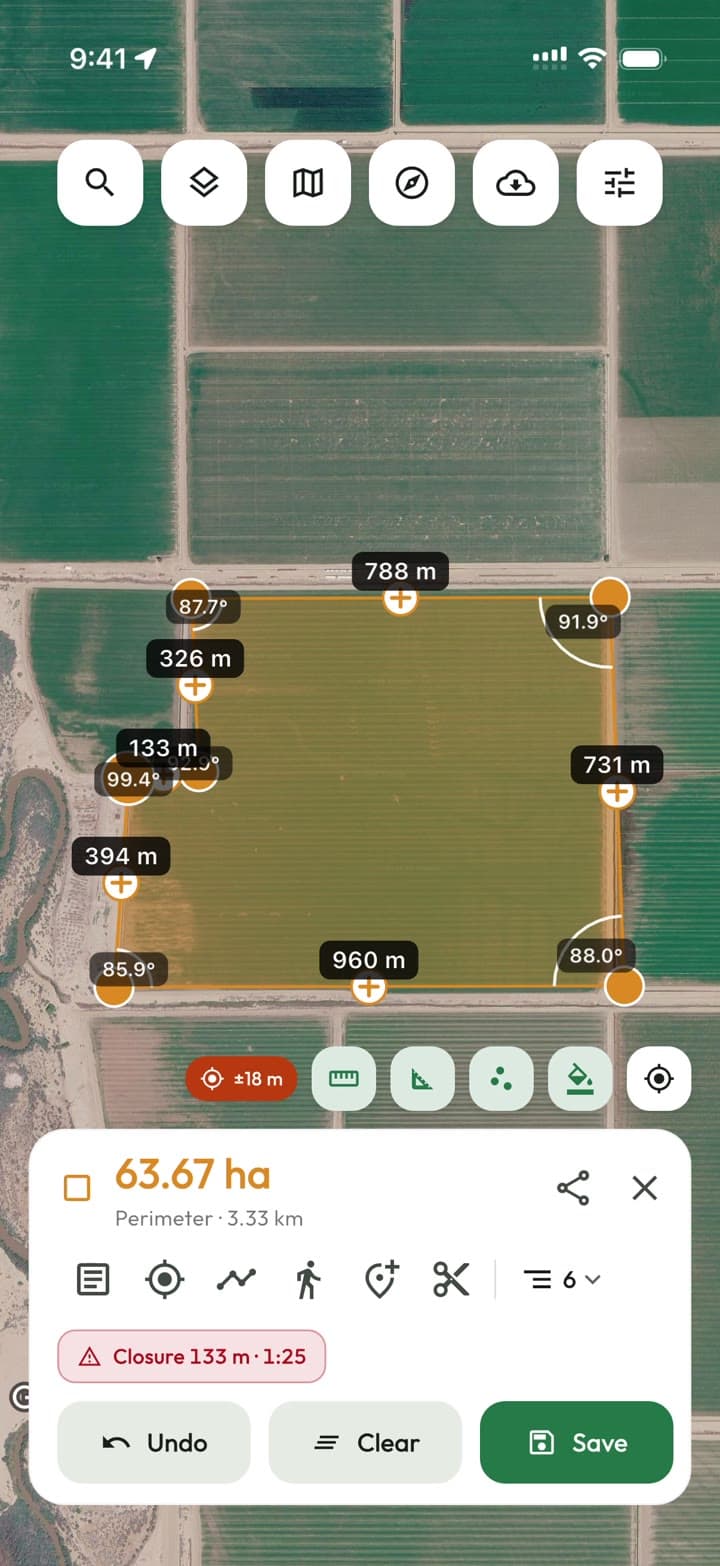
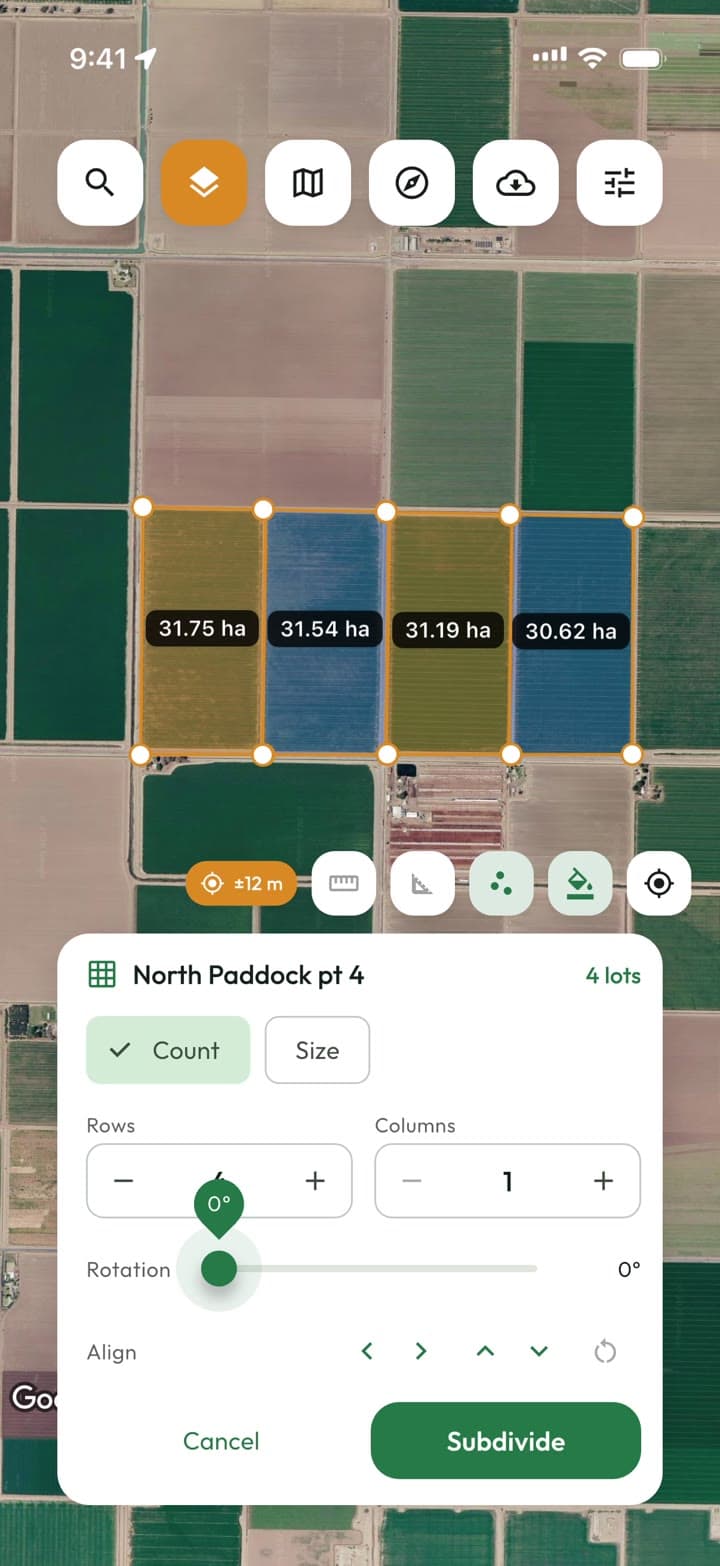
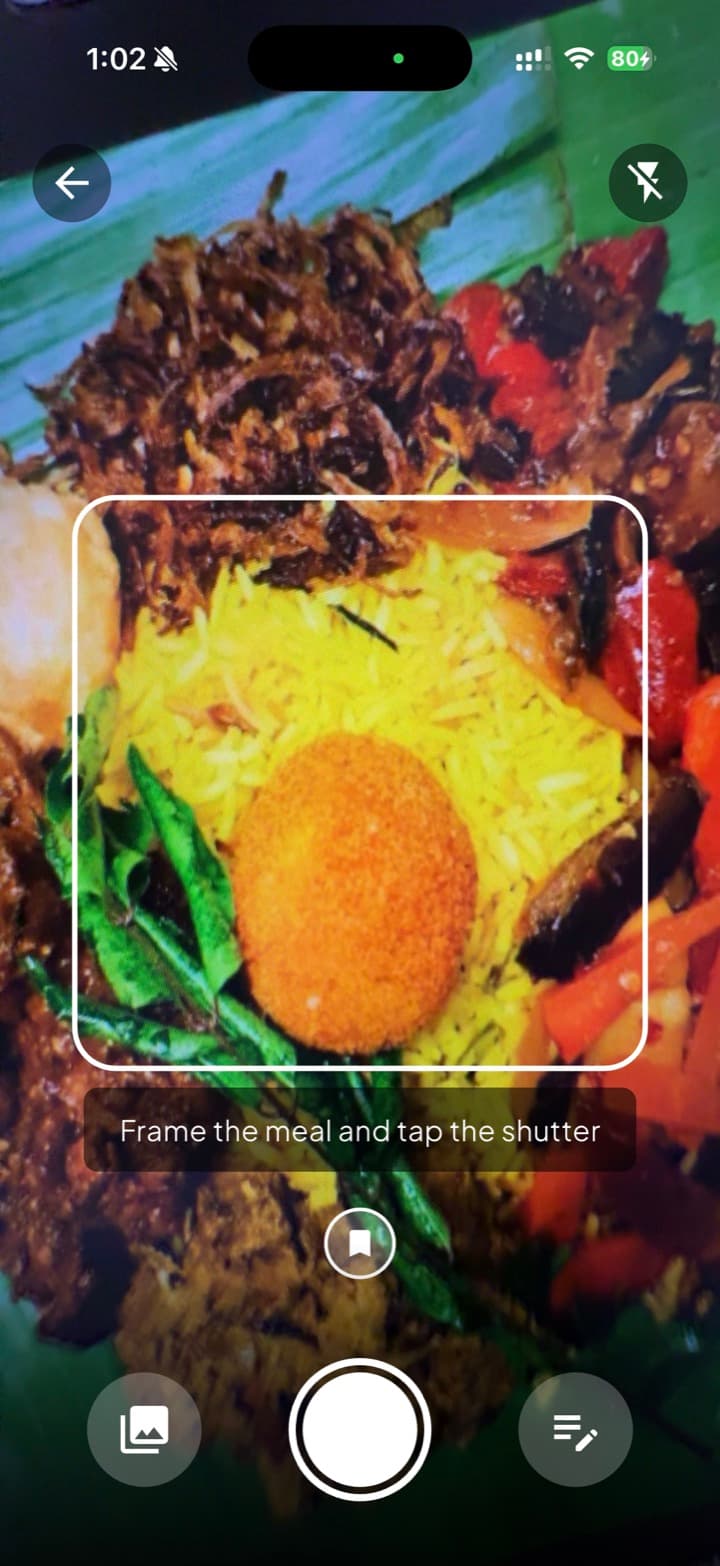
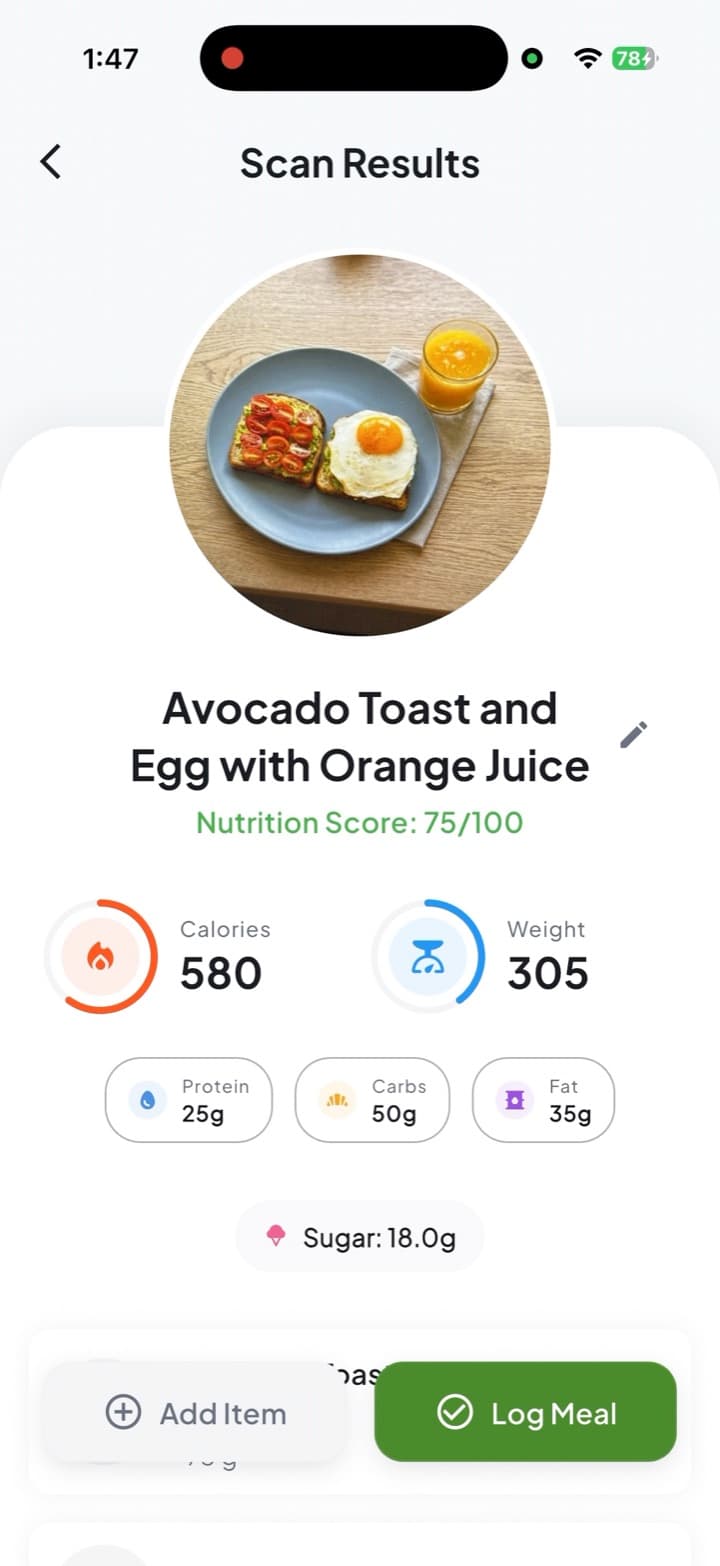
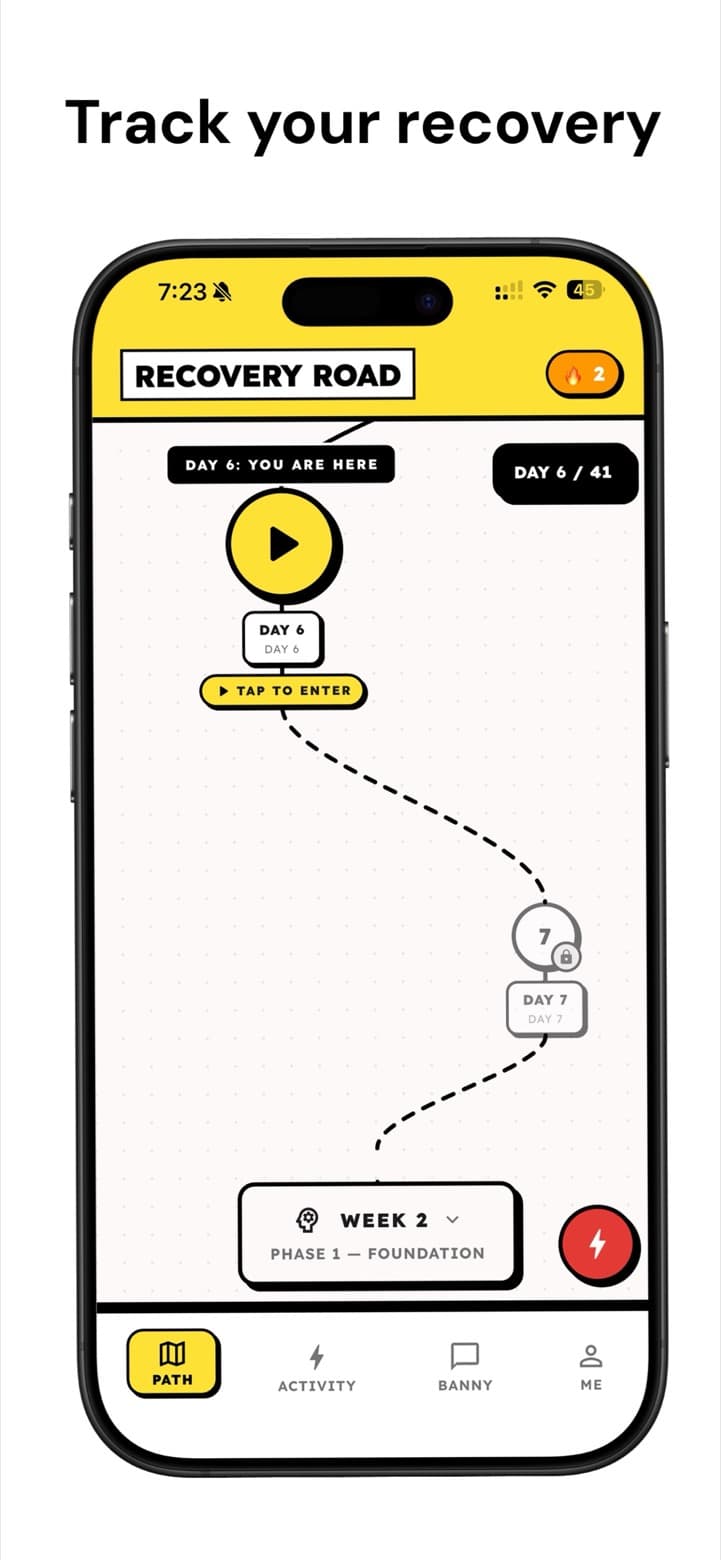
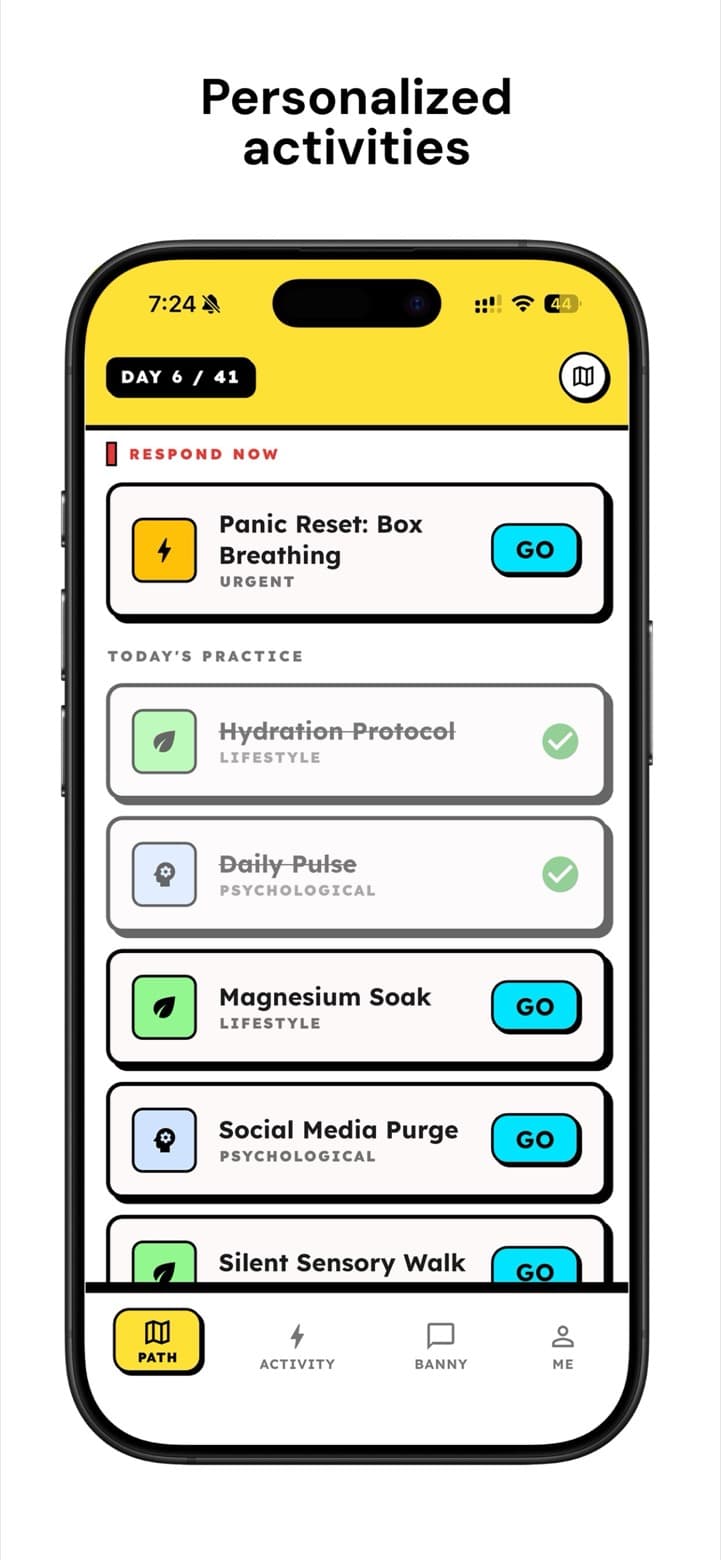
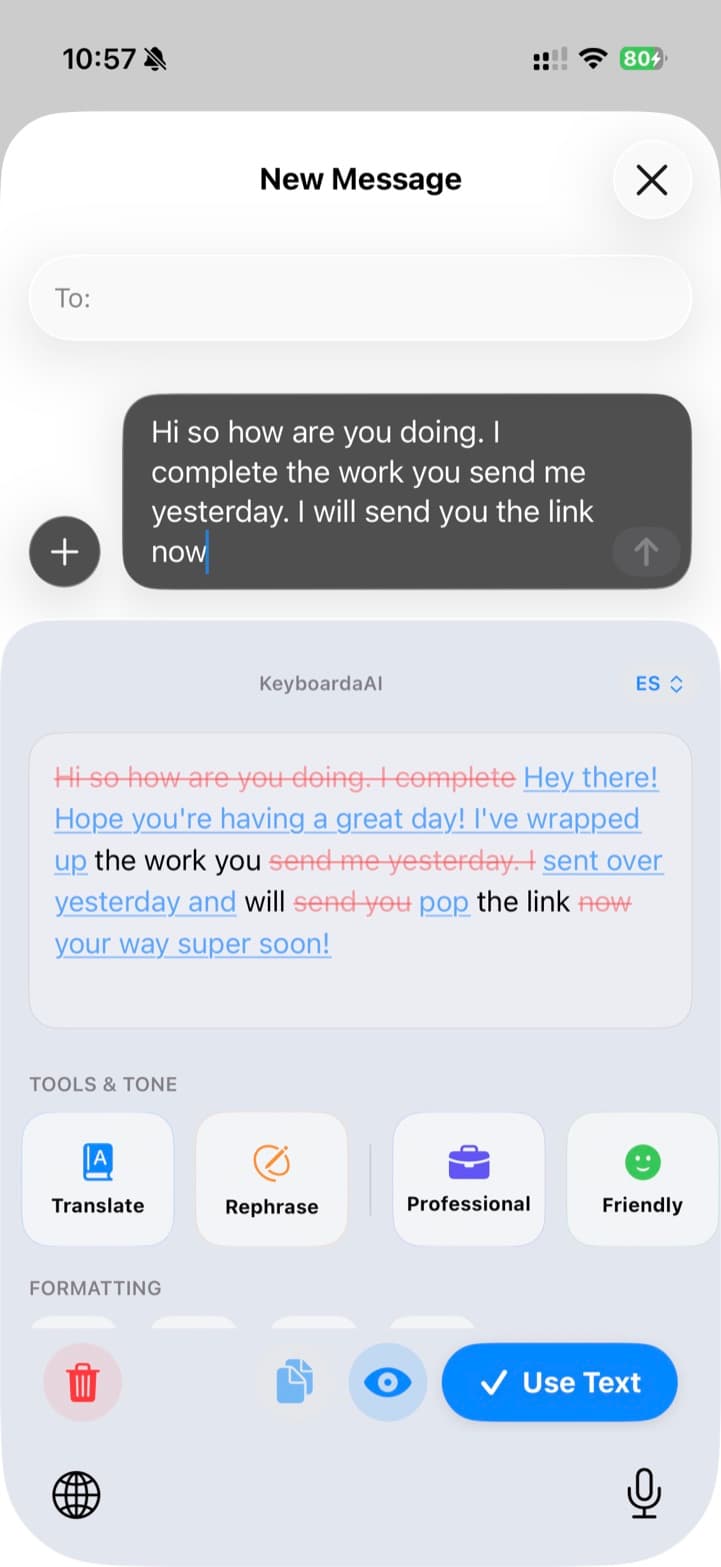
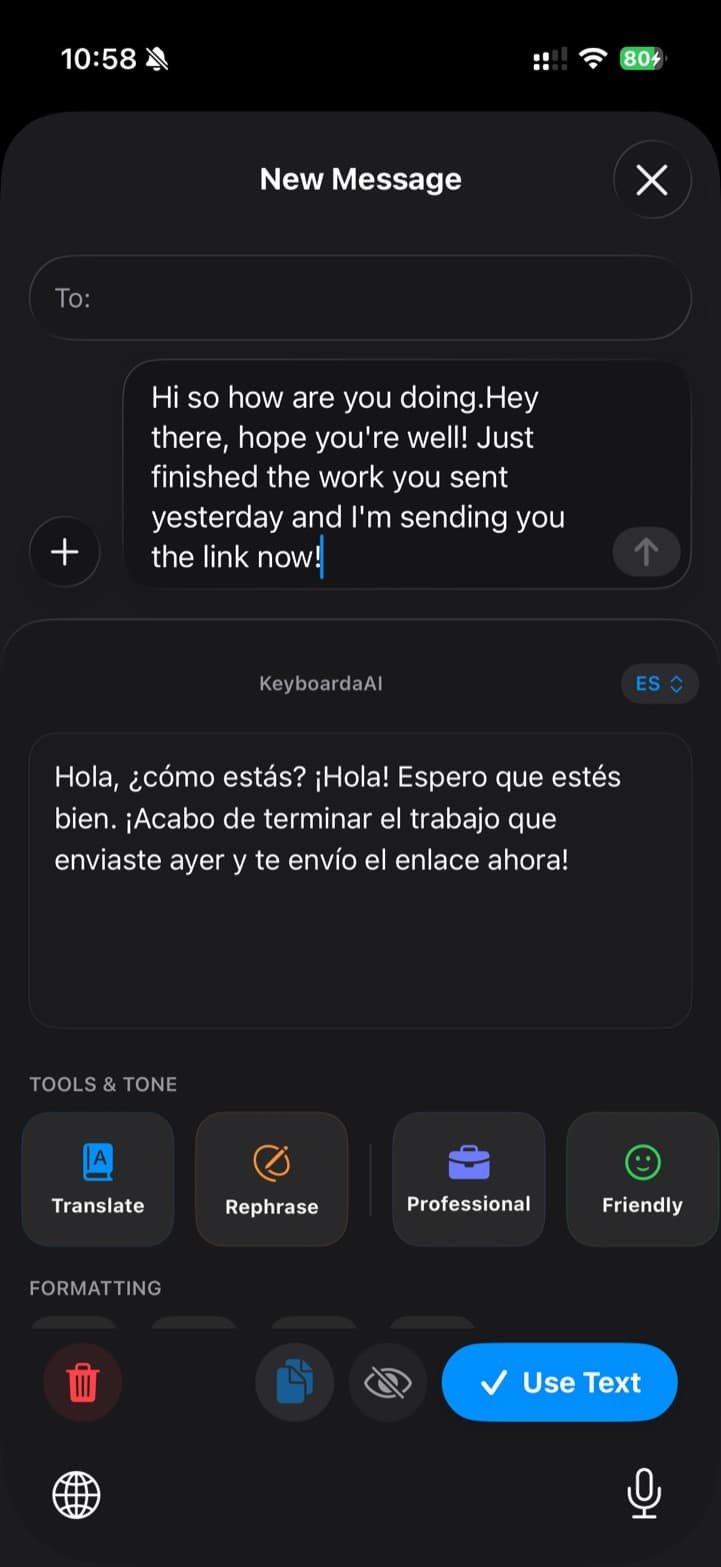
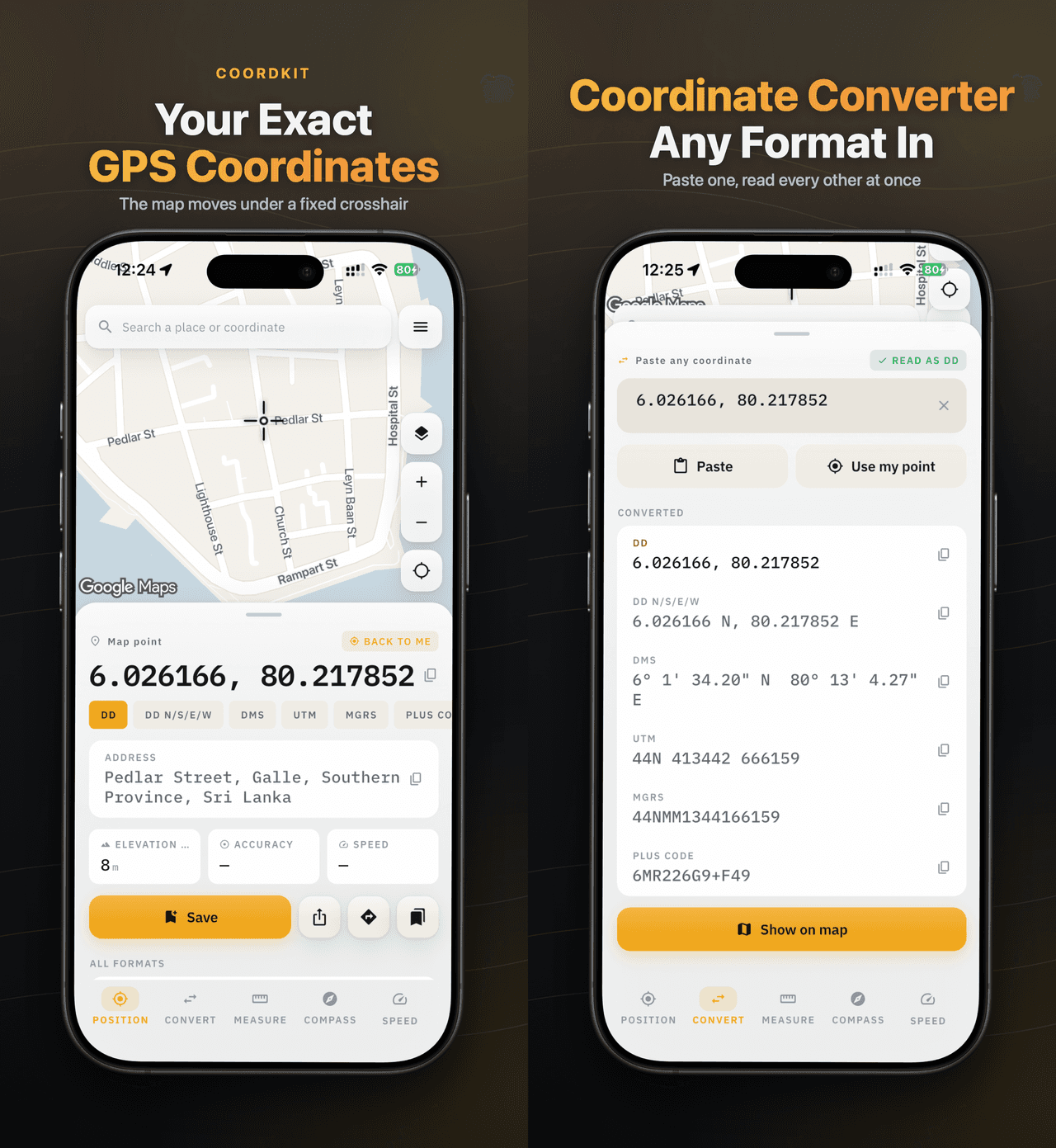
- Around 15 apps to production over six years, with more than a million downloads between them. Seven of those he founded and self-published under his own developer accounts: Acrea, a land-measurement and surveying toolkit with COGO traverse, offline Mapbox regions and survey-grade export; FitScanned, an AI calorie tracker with a NestJS backend, Flutter app, Next.js admin console and self-hosted infrastructure; CoordKit, a field-grade coordinate instrument; Latitude Longitude Finder, a geolocation utility with 300k+ organic installs on its own; Banny, a health recovery app built on three native iOS Screen Time extensions bridged to Flutter; Keyboarda AI, a native Swift AI writing keyboard with a Firebase Cloud Functions backend; plus SocialTimetable and open-source Flutter packages on pub.dev. The rest he built inside companies: Fitconnect and Fitsmiles at IXD Labs, the NinjaPipe sales CRM in Australia, and government-facing apps for Sri Lanka's National Youth Services Council and Vocational Training Authority.
- Is Dewmina Udayashan a founder as well as an employee?
- Yes. Alongside his employed work he founds, builds and self-publishes his own products under his own App Store and Google Play developer accounts, seven of them so far. On those he owns every layer: the product decision, the architecture, the backend, the release pipeline, the store listing and the revenue. Acrea, FitScanned, CoordKit, Banny and Keyboarda AI are all live and commercially monetised through RevenueCat subscriptions; Latitude Longitude Finder reached 300k+ organic installs with no paid acquisition at all.
- Does Dewmina Udayashan do backend and infrastructure work, or mobile only?
- Both. FitScanned is the clearest example: he built the NestJS/Prisma/PostgreSQL API, the Next.js admin dashboard and the Docker Compose and NGINX deployment that runs them, moving the API, database and web apps off AWS EC2 onto a self-managed Hetzner server while images stayed in S3. It also runs a Telegram bot as a second client over the same services. Keyboarda AI runs on Firebase Cloud Functions in TypeScript: a callable function in front of Gemini with a transactional daily quota, a RevenueCat webhook that sets premium as an Auth custom claim, and a scheduled cleanup job. Acrea's backend is Supabase, with a Postgres schema, row-level security policies, Edge Functions and a bidirectional sync engine mirroring the app's local SQLite schema.
- Does Dewmina Udayashan have experience with product analytics, experimentation and crash reporting?
- Yes, on every product he ships rather than as a one-off. His own apps carry Firebase Analytics or PostHog with session replay, Crashlytics for crashes, Sentry on the FitScanned API and in the company apps he leads, and Firebase Remote Config for anything that might need to change without a release. Latitude Longitude Finder is the deepest example: 18 Remote Config parameters drive Firebase A/B tests on onboarding flows, paywall layouts, default plans and ad-unlockable features, each experiment written down with its funnel, guardrail metric, frozen confounders and sample size before it starts, and the store listing is A/B tested as well. Banny routes every event through one facade to PostHog and Firebase, ties Crashlytics to the same user, and switches all collection off outside production so test sessions never reach the funnel.
- How does Dewmina Udayashan work with AI coding agents?
- The way he works with any contributor: with the standards written down first and the limits set explicitly. Every codebase he owns carries an engineering guide covering that project's conventions, the contracts between its modules, and a blunt list of the traps with the reason each one exists, so an agent produces work that fits the codebase instead of generic patterns. CoordKit's guide is the clearest example: the Riverpod retry behaviour that makes one API unusable, the controller disposal that throws a frame later on a device and never in a build log, the iOS permission mismatch that terminates the process rather than raising an error. Each of those is also a test that fails the build, so the knowledge outlives whoever learned it. Generated work is reviewed like any other contribution, on its own branch, and merged by a person. Release authority is deliberately withheld: the guides state that pushes, tags and merges are not an agent's to make, because a version tag starts a store release and an over-the-air patch reaches real devices. He is equally clear on what not to delegate at all, which is schema design, security boundaries, and anything whose failure mode is silent.
- Is Dewmina Udayashan comfortable working on AI-powered products?
- Yes, as a builder rather than a spectator. FitScanned is an AI product end to end: a vision model called with an explicit JSON schema across two model tiers, feeding a typed DTO, so the failure mode is a caught validation error rather than a plausible-looking wrong number on a nutrition label. Keyboarda AI keeps the Gemini key off the device entirely: every request goes through a Cloud Function that reserves the user's daily quota in a Firestore transaction and refunds it if generation fails. SocialTimetable uses Gemini as a reducer over a 17,000-point dataset rather than as the source of the numbers. At NinjaPipe he integrated LLM models into appointment scheduling and marketing workflows. The consistent principle is that the model is one component with a contract, not a black box the product is built around.
- How can someone contact Dewmina Udayashan?
- By email at dewminaudayashan@gmail.com, or on LinkedIn at linkedin.com/in/dewmina-udayashan. His CV is downloadable from dewmina.dev as a PDF.